
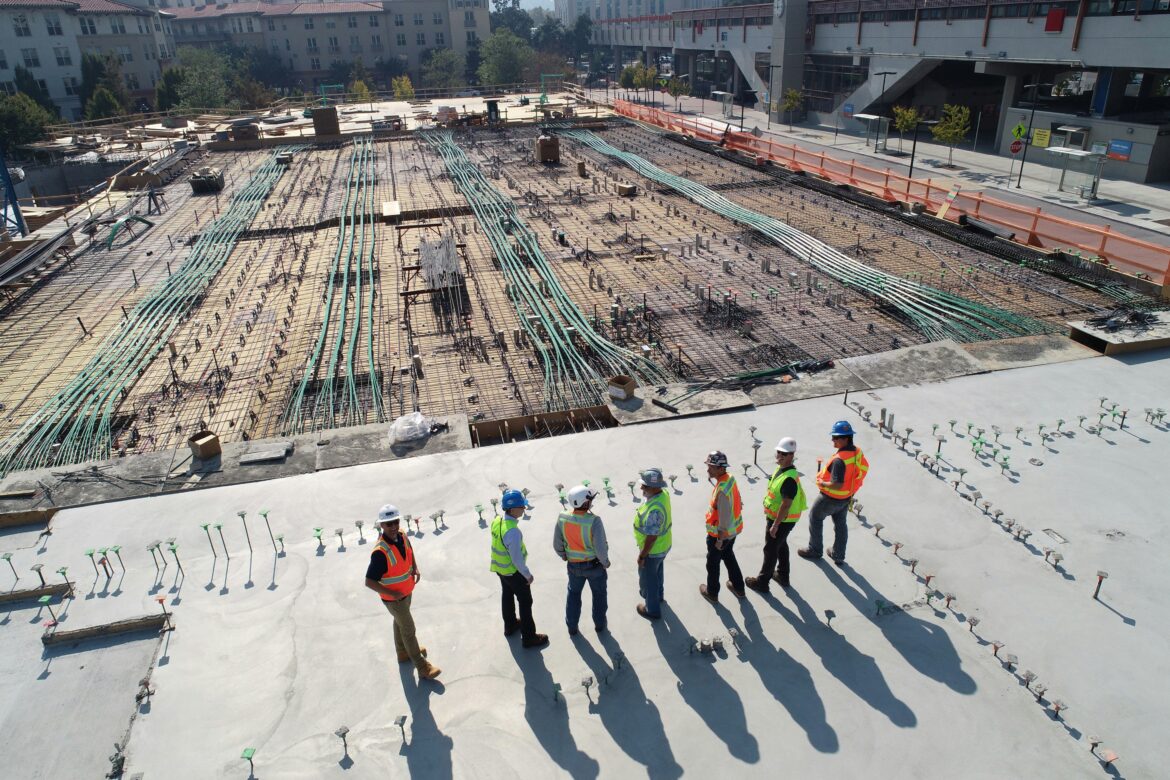
Margins in construction don’t just disappear, they slip away during the job. Crews move, hours get logged, and things don’t always line up with what was planned. With tighter budgets and rising costs, more firms are looking at how to keep a closer handle on what’s really happening on site.
Margins don’t usually blow up because of one big mistake; they slip through the cracks during the day-to-day work on site. A crew clocks in but ends up waiting around, hours get logged from the wrong location, or a timesheet gets signed off without anyone really checking it against what actually happened.
None of it feels like a big deal in the moment, but across a full job it adds up fast, and that’s often where mid-sized construction firms start losing control of their margins. On paper, everything still looks fine. In reality, the numbers are already drifting.
The Hidden Cost of Labor Blind Spots on Active Jobsites
Ask anyone running a jobsite where costs start to drift, and the answer usually comes back to labor. It is the biggest moving part on most projects, and once crews are spread across locations, it becomes difficult to pin down what is actually happening hour by hour. On paper, everything lines up. In practice, there are gaps. A crew clocks in before access is ready, someone logs time from the wrong place, or a supervisor signs off on hours that look close enough. None of that raises alarms in the moment, but it chips away at the numbers.
That is why more firms are turning to tech solutions to tighten up how time is tracked on site. Geofencing software available on factorialhr.com/blog/best-geofencing-software/ breaks down how these systems work in practice, especially when it comes to linking clock-ins to a defined jobsite boundary instead of relying on trust or rough estimates.
The idea is straightforward. A worker can only log time when they are physically within the approved area, which cuts out a lot of the grey area that tends to creep into timesheets.
It does not fix every issue on its own, but it changes the level of control. Instead of relying on rough oversight, there is a clearer picture of who is on site and when. That alone can tighten things up more than most people expect, especially on jobs where margins are already under pressure.
Why Construction Productivity Has Stalled While Costs Keep Climbing
Step back from any single project and the wider picture starts to look uncomfortable. Construction remains a major part of the U.S. economy, employing millions and contributing a solid share of overall output, yet productivity has not kept pace with other industries.
Manufacturing has made steady gains through automation and process control, while construction still relies heavily on manual coordination and on-the-ground decision making. The result is an industry where output per worker has barely moved in decades.
At the same time, labor costs have not stood still. Wages continue to rise, and skilled workers are harder to find, which puts even more pressure on project budgets. That creates a squeeze from both sides. You are paying more for labor, but not necessarily getting more output for every hour worked. On a tight margin job, that gap does not need to be large before it starts to show up in the numbers.
This is where the conversation around control starts to change from being a nice-to-have to something more urgent. When productivity is flat and costs are climbing, the focus naturally turns to what can actually be measured and managed.
Without that visibility, small inefficiencies stay hidden until the project is already off track, and by then the options to correct it are limited.

Where Projects Lose Margin Between Planning and Field Execution
Most jobs don’t go wrong because the plan was bad. They go wrong because the plan meets the real world and the real world wins.
Drawings look clean, schedules look tight, and then the work starts. Access is slower than expected, crews overlap in ways nobody planned for, and small delays start stacking up. Each one feels manageable, but together they push the job off course.
A simple example makes the point. A task is scoped at 100 hours. It ends up taking 120. That difference does not sound dramatic, but across multiple crews and multiple weeks, it turns into a real hit on the budget. The tricky part is that it’s not obvious while it is happening. It shows up later, when the numbers get reviewed and the margin is already thinner than expected.
This kind of drift shows up across the industry. Projects in areas like pipeline construction deal with terrain, access, and coordination problems that rarely match the original plan, which is why execution tends to be less predictable than it looks on paper.
The same pattern plays out on smaller sites as well. Without a clear view of what is happening on the ground, it becomes easy for time and cost to move in the wrong direction before anyone steps in to correct it.
Real-Time Visibility as a Competitive Advantage in Complex Builds
Once a job gets moving, the difference between staying on track and falling behind often comes down to how quickly issues are spotted. Most sites already have the information somewhere. The problem is that it sits in different places, and by the time it gets pulled together, it is already out of date. That delay is where a lot of small problems turn into expensive ones.
Real-time tracking changes that picture. Instead of waiting for updates at the end of the day, there is a clearer view of what is happening as the work unfolds. Crews can be seen moving between areas, equipment usage becomes easier to follow, and gaps in coverage stand out sooner. That kind of visibility does not need to be perfect to be useful. It just needs to be current enough to act on.
The same idea is already being used in other parts of the industry. In mining, for example, real-time tracking systems are used to monitor fleets and improve how equipment is deployed across large sites.
The principle carries over. When managers can see what is happening without delay, decisions get made earlier, and small inefficiencies are less likely to build into larger problems.
Turning Jobsite Data Into Actionable Decisions for Project Managers
A lot of jobsite data already exists, but it does not always lead to better decisions. Timesheets get filled out, reports get submitted, and updates get passed along, yet the day still runs on instinct more than anything else.
The challenge is not collecting information. It is turning it into something that can be used while the work is still in progress.
That is where the role of the project manager starts to change. Instead of chasing updates and piecing together what happened after the fact, there is a chance to work with a clearer picture as the day unfolds.
When location data and time tracking line up, it becomes easier to spot where crews are falling behind or where resources are not being used properly. That gives you a window to step in before the issue spreads across the rest of the schedule.
The basics of the job do not change. You are still coordinating people, managing timelines, and keeping things moving. What changes is how much guesswork is involved. With better visibility, decisions become more direct, and the gap between what should be happening and what is actually happening starts to close.
Building Operational Discipline Through Location-Based Workforce Systems
Once tracking is in place, the bigger change is not the tech, it is how people start working day to day. Most sites run on habit. Crews clock in the way they always have, supervisors sign off on hours that look about right, and small discrepancies just get accepted. That works fine until the job gets tight and those small gaps start costing real money.
Location-based systems bring a bit of structure into that. When clock-ins are tied to a site, and time is linked to where the work is actually happening, it becomes harder for things to drift. It is not about catching people out. It just means the hours being logged have to line up with reality, which cuts out a lot of the grey area that usually creeps in.
That carries through the rest of the job. Payroll is easier to check, reports make more sense, and fewer arguments come up about who worked where and when. You still need good supervision, nothing replaces that, but you are working from a clearer set of facts. On a job where margins are already tight, that kind of clarity can make a real difference.
Precision Is Becoming the Baseline on Modern Jobsites
Margins are not won in the planning stage alone. They are protected in how the job runs day to day. Small gaps in time, movement, and oversight are where costs start to creep in, and once they build up, they are hard to pull back. That is why more firms are tightening how they track and manage work on site.
With better visibility, you are not guessing what is happening, you can see it as it unfolds. That makes it easier to step in early, keep things on track, and hold onto the margin you planned for at the start.